
President Trump’s second-term playbook leaned on fast executive action as Democrats moved to check his agenda from Capitol Hill.
Story Snapshot
- The White House documented hundreds of executive actions within 100 hours, with a focus on border enforcement.
- Democrats won control of Congress in 2026, promising investigations and roadblocks to Trump’s plans.
- Trump and Republicans labeled Democratic opponents “communist,” a theme that did not prevent Democratic gains.
- Polling showed voter frustration over costs and corruption, fueling a desire to restrain the presidency.
What the White House Did First: Speed and Scope
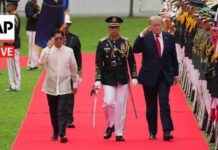
The White House said President Trump signed more executive orders on day one than any past president and took hundreds of actions within 100 hours. The document framed border security, deportations of criminal undocumented immigrants, and federal hiring changes as early priorities. It also described plans to use the military role to secure the border. The release aimed to show quick control of the executive branch and a focus on law, order, and federal workforce rules.
Border enforcement stood out in the early record. The administration highlighted arrests, removals, and directives to toughen the system. Those steps aligned with campaign promises to reduce unlawful crossings and speed removals. The White House’s own accounting leads the evidence here. Independent agency totals, court outcomes, and funding limits were not detailed in that release. That gap means the initial record shows intent and activity, not results across time.
How 2026 Changed the Terrain: A Congress in Opposition
Voters handed Democrats control of both chambers in the 2026 midterms, creating a direct check on the presidency. News outlets reported that Democratic leaders planned to block bills, slow or reject nominees, and open investigations into the administration. That shift did not end executive power. It did signal harder fights over money, oversight, and personnel that could slow or reshape policy follow-through after the first surge of orders.
Polling before the vote captured a sour mood. Surveys showed high disapproval of President Trump and an advantage for Democrats on the congressional ballot. Many voters cited the cost of living and corruption as top concerns. Those pressures often drive midterm losses for the party in the White House, as political science has long shown. The 2026 outcome tracked that pattern and set up two more years of divided aims between Congress and the executive branch.
The Message War: “Communism” as a Campaign Label
Republican candidates and President Trump repeatedly branded Democratic rivals as “communist” during the campaign. Reuters reported that Trump warned a Democratic win would push the nation toward communism. Democrats still secured Congress, which tied the rhetoric to a result that cut against the message. The tactic energized base voters but did not stop losses in key districts and states, according to post-election summaries.
@MAGAVoice What happened to all the anti-China, anti-communist rhetoric? Crickets now that Trump is standing with Xi and Putin, holding hands together. Trump has sold out the USA and democracy. https://t.co/Gpq9d4TBxV
— Dr. Smith (@Mrbandot1) November 20, 2026
The clash over labels reflects a deeper frustration shared by many voters. Conservatives point to border chaos, high prices, and heavy-handed rules. Liberals point to fears about inequality, cuts to social support, and the treatment of immigrants. Both sides say the system serves elites first. The 2026 result suggested many people wanted stronger checks on power. The White House’s early actions showed a will to move fast. Congress’s shift guaranteed more scrutiny and slower paths ahead.
Sources:
youtube.com, apnews.com, politico.com, whitehouse.gov, pbs.org
© nationalfreedompress.com 2026. All rights reserved.