
As Wall Street cheers a record-breaking rally on hopes for a U.S.-Iran deal, many conservatives are asking whether this fragile framework really secures American energy, security, and strength — or just hands Tehran leverage while markets look the other way.
Story Snapshot
- Wall Street surged to fresh records as traders bet the U.S.-Iran framework will reopen the Strait of Hormuz and ease oil prices.
- President Trump says the deal will “let the oil flow” and lift the U.S. naval blockade on Iranian ports under a new memorandum of understanding.[2]
- The agreement is still a short, vague framework, not a full treaty, with nuclear issues and key security details pushed to later talks.
- Analysts warn the opening is temporary and conditional, with mines in the water and Israel and Iran both signaling they could resume pressure.
Wall Street Rallies As Peace Hopes Meet Energy Relief
On news of a U.S.-Iran framework to end the war and reopen the Strait of Hormuz, global markets breathed a sigh of relief. Asian stock markets jumped and oil prices fell sharply as traders cut back bets on an energy shock that had been driving up costs for months. Commentators described a classic “relief rally,” where investors rush back into stocks as the worst war headlines ease and crude benchmarks drop several dollars a barrel in a single session.
Reports say President Trump authorized a memorandum of understanding that would end hostilities, reopen the vital waterway without tolls for a period, and begin lifting the U.S. naval blockade on Iranian ports.[2][4] Trump’s own words — “Ships of the World, start your engines. Let the oil flow!” — were eagerly quoted on business channels that tied the rally to hopes of lower gasoline prices and calmer shipping routes.[2] For families crushed by years of high energy costs, any step that pressures oil lower is welcome.
What The Deal Actually Does — And What It Leaves Out
The agreement on the table is not a full peace treaty but a short “memorandum of understanding,” roughly a page and a half long, that extends a ceasefire and sketches how Hormuz will reopen. Reports say it includes a halt to fighting on all fronts, including Lebanon, a move meant to stop further escalation that could threaten Israel and regional shipping lanes.[1][4] Iran-linked media also claim it involves sanctions relief on oil exports and the unfreezing of billions in Iranian assets, though U.S. officials stress details remain vague and performance-based.
Crucially for conservatives focused on national security, the nuclear file is pushed into the future. Coverage from major outlets makes clear that questions about Iran’s enriched uranium stockpile and its nuclear ambitions will be handled in later negotiations, not solved in this first document.[4] Analysts warn this means the core threat that started repeated crises in the Gulf is still there, even if missiles are quiet for now. In plain terms, markets may be pricing “peace,” while the hardest issues are simply delayed.
Is The Strait Of Hormuz Really Reopening — Or Just “Open On Paper”?
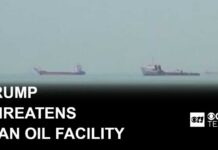
Shipping through the Strait of Hormuz is at the center of this story because about a fifth of the world’s traded oil normally flows through this narrow channel. Reports say the new framework aims to reopen the strait toll-free for sixty days, while Iran clears sea mines over the next forty to fifty days and the U.S. begins lifting its naval blockade. Some tankers have already begun moving as a goodwill gesture, but officials caution that a full operational reopening could still take weeks due to mines and security risks.
That gap between headlines and reality is key for readers trying to understand what is really happening. Even as Trump and some media call the strait “completely open and ready for business,” experts warn that traffic will return only slowly, insurance costs will stay high, and any renewed threat from Iran or its proxies could close the route again. Previous ceasefires in this crisis saw Iran briefly open and then re-close the strait when it felt the U.S. was not giving enough ground, showing how fragile such arrangements can be. For now, the opening is conditional and temporary, not a locked-in guarantee.
Why Wall Street Loves The News — And Why Caution Still Matters
Market reports show investors rushing into riskier assets as soon as talk of a deal hit the wires. Oil prices dropped several percent, and energy-sensitive sectors and global indexes rallied as traders unwound hedges and short bets built up during the war. Analysts at major firms say this looks like a classic “headline-risk” relief move: the moment the chance of a worst-case energy shock seems lower, computers and traders buy stocks and sell oil futures. That kind of move can push the Dow and other indexes to record closes even before anything changes on the water.
https://twitter.com/EricinAmericaX/status/2066684651989864465
At the same time, some experts and U.S. officials are warning that the framework is still unsigned, many details are unknown, and the nuclear and sanctions pieces are far from settled. Commentators note that both Washington and Tehran are trying to claim “victory” to their domestic audiences, which can make the understanding politically fragile and easy to undo later.[1] Israel’s skepticism and recent strikes in the region also hang over the deal, reminding observers that one misstep could bring missiles back and erase these gains in a single bad news cycle.[1]
What This Means For Conservative Americans Watching Their Wallets
For everyday Americans, the big question is whether this Wall Street celebration will show up as real relief at the gas pump and in family budgets. If the strait truly reopens and stays open, more oil should reach global markets and keep prices in check, easing pressure from years of inflation made worse by past green mandates and supply shocks.[4] But if Tehran uses this deal mainly to gain cash and breathing room while keeping its nuclear hand, higher energy costs and new crises could return quickly.
Conservative readers can see both the opportunity and the risk. On one hand, a stable Hormuz and firm American red lines on “no nuclear weapon for Iran” would support lower fuel prices, stronger markets, and fewer chances for globalists to push new climate schemes in the name of crisis. On the other, a weak or temporary deal that pours money into Iran without hard, verifiable limits could undermine long-term security, threaten Israel, and set the stage for more costly wars down the road. The markets may have exhaled, but citizens who care about strength, sovereignty, and affordable energy have every reason to keep watching the fine print.
Sources:
[1] YouTube – Wall Street rallies, Dow ends with record on US-Iran deal
[2] Web – Qatari negotiators fly to Tehran in a push to finalize U.S.-Iran deal
[4] YouTube – Iran and US reach interim deal to reopen Strait of Hormuz …
© nationalfreedompress.com 2026. All rights reserved.