
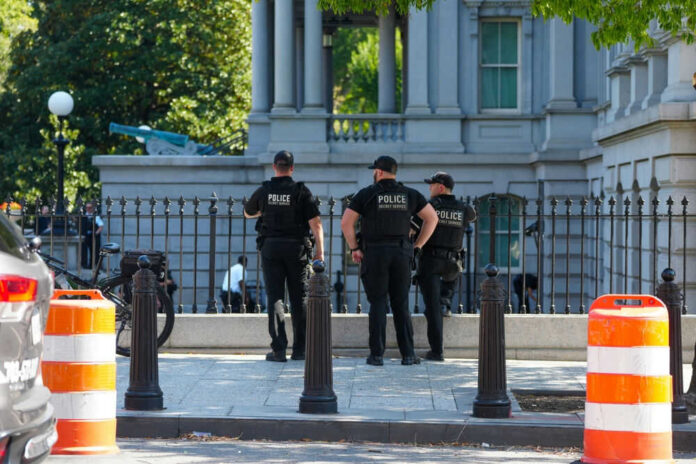
(NationalFreedomPress.com) – A car slamming into the White House gate exposes a stark reality: despite layers of steel, tech, and tradition, America’s most iconic home still faces threats that no fence can fully stop, raising urgent questions about security, symbolism, and the fine line between safety and fortress.
Story Snapshot
- A vehicle rammed the White House Secret Service gate, immediately testing the nation’s security protocols.
- The Secret Service responded in seconds, apprehending the driver and securing the area.
- This incident spotlights the ongoing struggle between open democracy and hardened defenses at America’s front door.
- Experts are now debating if stronger barriers protect or undermine the White House’s public identity.
White House Security Breached: The Incident and Response
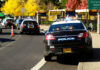
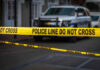
On a day when routine seemed unbreakable, a vehicle crashed into the fortified gates of the White House, setting off alarms both literal and symbolic. The United States Secret Service, drilled for moments like these, sprang into action, surrounding the car, detaining its driver, and sweeping for explosives. The President and First Family remained safe, but for the security establishment, the adrenaline had just begun. The area around the gate was locked down as investigators began piecing together the motive behind the breach, searching for the fissures that allowed a car to get this far. The news spread quickly, igniting speculation across the capital and beyond.
This breach was not just another headline. It forced an immediate review of every protocol, every physical barrier, and every digital sensor. For the public, the shock was visceral: if a vehicle could reach the White House fence, what else could slip through the cracks? For the Secret Service, it was a vivid reminder that vigilance is a 24/7 job, not just a slogan. Officials quickly released statements, reassuring Americans that the threat was contained and that no one inside the residence was ever in danger. The driver’s motivations remained unclear, protest, mental health crisis, or something darker, but the response was decisive, and the message unmistakable: the White House is not an easy target.
Fortress in the Capital: How White House Security Evolved
The White House, once accessible to citizens strolling up for a closer look, has transformed over centuries into one of the world’s most secure compounds. The open-door policy of the nineteenth century faded as threats grew, from lone intruders to coordinated terror plots. The Oklahoma City bombing and the September 11 attacks marked turning points, prompting the addition of anti-ram barriers, higher fences, and ever-more sophisticated surveillance systems. Today, the perimeter is a gauntlet of cameras, vibration sensors, and reinforced fencing, built not just to stop climbers but to absorb the force of a speeding vehicle. Yet, as history shows, no system is invulnerable. Incidents from fence-jumpers to drive-by shootings forced each new upgrade, and every breach sparks another round of hard questions about how much more can, or should, be done.
Every security enhancement comes at a price. The White House is more than a residence; it is a symbol of American openness. Each new barrier, while necessary, chips away at the ideal of a People’s House. Urban planners and historians warn against turning it into an unapproachable fortress, yet Secret Service officials argue that layered defenses are the only answer to evolving threats. The debate simmers: how can a democracy balance accessibility with the need for absolute security, especially when the next challenge may come not from a car, but from something no one has imagined?
After the Breach: Debates, Impacts, and What Comes Next
After the car was towed and the adrenaline faded, Washington faced a familiar crossroads. Congressional committees began asking if the current defenses are enough. Security experts called for better anti-ram technologies and faster threat detection, while civil liberties groups warned against further eroding public access. For the people who live and work inside the White House, heightened alert became the new normal. Nearby streets saw temporary closures, and the city braced for another cycle of upgrades and inconveniences. The incident’s ripple effects touched more than just government: other sensitive facilities across the country quietly reviewed their own security protocols, anticipating the copycats who often follow headline-grabbing breaches.
Long-term, the incident may trigger yet another tightening of the perimeter, higher barriers, smarter sensors, more layers between citizen and president. Yet the real challenge remains unsolved: how to secure an icon without burying its meaning behind walls and wire. The debate will rage on, fueled by experts, politicians, and everyday Americans who want both safety and symbolism. Until then, the gates will stand taller, the cameras will watch closer, and the question will linger: can any fence ever be high enough to secure America’s most public home, without turning it into a bunker?
Copyright 2025, nationalfreedompress.com