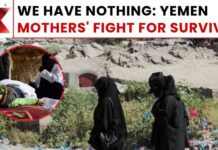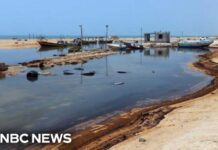

Somalia’s hunger crisis deepened as watchdogs confirmed aid was widely skimmed from the poor while agencies also ran short of cash.
Story Highlights
- A United States audit cited a United Nations finding of widespread diversion of cash aid in Somalia.
- Somalia’s government says monthly food and cash aid fell from 2.2 million people to about 600,000 by early 2026 due to funding gaps.
- United Nations offices reported sharp cuts in humanitarian funding and reduced or suspended lifesaving services in 2025–2026.
- A United States inspector general flagged gaps in post-award oversight that increased fiduciary risk in Somalia programs.
What the record shows about aid diversion and oversight gaps
A November 2026 Government Accountability Office report summarized a United Nations assessment that found widespread and systemic diversion of aid in Somalia, especially cash assistance. Beneficiaries reported being forced to pay camp managers or other intermediaries a large share of what they received. The report said this was direct extraction from the poor, not only slow or sloppy paperwork. A 2025 report from the United States Agency for International Development’s inspector general also found missing post-award checks that could have caught risks sooner.
These findings speak to a core frustration most Americans share: powerful middlemen and weak oversight hurt the very people aid is meant to help. The reports do not name specific Somali national officials as culprits. They also do not say how much of the total aid was stolen. Still, they confirm a pattern that many have seen before in conflict zones. Money and goods can become income streams for gatekeepers who control camps and access points.
Why famine risk is rising even as theft is documented
Funding cuts have hit Somalia hard. The United Nations humanitarian office reported the 2025 response plan was funded at only about one-fifth, forcing agencies to reduce or suspend lifesaving services. A joint message from United Nations agencies in May 2026 warned of famine risk and said the 2026 plan was funded at only about one-sixth at that time. Famine early-warning snapshots later in 2026 still showed millions facing acute food insecurity, with pockets at emergency levels.
Somalia’s Ministry of Finance links the sharp drop in monthly food and cash distributions—from about 2.2 million people in early 2024 to just over 600,000 by early 2026—to a ninety-eight million dollar shortfall for the first half of 2026. The ministry also reported over two hundred health facilities closed and more at risk because money ran out. United Nations Food and Agriculture Organization warnings in 2026 likewise described growing hunger as donor money fell and needs grew.
Both problems can be true: theft and shortage at the same time
The public debate often asks whether corruption or cuts “caused” the crisis. The stronger reading of the record is that both matter. The Government Accountability Office cites a United Nations finding of widespread skimming from recipients. At the same time, the United Nations humanitarian system reports deep funding gaps that shrank coverage and slowed services. For families on the edge, either factor can mean empty bowls. Together, they make a bad situation worse.
Americans across the spectrum worry about waste and also about sending money that never reaches people in need. Those concerns are valid here. The watchdog reports say oversight fell short and diversion was systemic. The humanitarian updates say money ran low, so far fewer people got help. Neither side’s facts cancel the other. The question is how to fix the pipes while keeping the water flowing.
What fixes are on the table, and what evidence is still missing
Several steps could help. First, protect recipients by routing aid in ways that cut out camp gatekeepers, and by adding safe complaint channels. Second, demand independent monitors who verify delivery at the household level. Third, tie any scale-up of funds to clear fraud-risk plans and quick post-award checks. The United States inspector general flagged the lack of those discretionary checks as a gap that raised risk in Somalia programs.
Hey @Ilhan What Happened to All the Aid Money? Somalia Is Reportedly on the Brink of Famine. https://t.co/GxmOtqQHG7
— Mariana (@mariana_x) November 13, 2026
Some facts remain unclear. The public record does not quantify what share of total aid was diverted, or name who, beyond local intermediaries, benefitted from coercion. It also does not separate the exact impacts of drought, conflict, prices, displacement, and funding cuts. Policymakers should commission transaction-level audits and compare different delivery models in Somalia’s regions. The goal is simple and bipartisan: stop theft, keep aid moving, and make sure real people receive real help when it counts.
Sources:
somalia.un.org, gao.gov, unocha.org, globalsecurity.org, fao.org, nupi.no, oig.usaid.gov
© nationalfreedompress.com 2026. All rights reserved.