
(NationalFreedomPress.com) – Iran is attempting to sweeten a nuclear deal by offering lucrative oil and gas investments to the United States, a desperate move that exposes the regime’s economic desperation while potentially compromising American national security interests.
Story Snapshot
- Iran proposes joint oil ventures, mining access, and aircraft purchases to secure sanctions relief during nuclear negotiations
- Trump issued a 10-15 day ultimatum demanding Iran halt nuclear weapons development as talks continue through Oman mediators
- US simultaneously imposed new sanctions on Iranian oil networks even as negotiations progressed in February 2026
- Iran’s Supreme Leader Khamenei rejected US terms, creating uncertainty about whether diplomacy can prevent military escalation
Tehran’s Economic Carrot Amid Nuclear Standoff
Iran’s Foreign Minister Abbas Araghchi and Oil Minister Mohsen Paknejad floated proposals for joint oil and gas field development with American companies during indirect talks mediated through Oman in February 2026. The regime dangled access to shared energy fields, mining opportunities, and commitments to purchase US aircraft as economic incentives. These offers represent Iran’s attempt to secure sanctions relief while making minimal nuclear concessions. The regime’s willingness to offer such deals reveals the crushing impact of maximum pressure sanctions that President Trump reimposed, forcing Tehran to seek economic lifelines even as Supreme Leader Ali Khamenei publicly rejects American demands for complete nuclear dismantlement.
Trump’s Maximum Pressure Strategy Continues
President Trump issued a stark 10-15 day ultimatum on February 20, 2026, demanding Iran abandon nuclear weapons development or face consequences. His administration maintained economic warfare even during negotiations, imposing fresh sanctions on Iranian oil networks around February 6, 2026. Special Envoy Steve Witkoff leads talks pushing for a 60-day deal requiring Iran to halt uranium enrichment and transfer existing stockpiles abroad. White House officials confirmed military options remain on the table if diplomacy fails. This approach mirrors Trump’s first-term strategy of withdrawing from the flawed 2015 JCPOA nuclear deal and applying relentless economic pressure to force genuine concessions rather than symbolic gestures that leave Iran’s nuclear infrastructure intact.
History of Failed Nuclear Diplomacy
The current negotiations stem from the collapse of the Obama-Biden administration’s disastrous 2015 Joint Comprehensive Plan of Action, which enriched the Iranian regime with billions while failing to prevent nuclear advancement. Trump withdrew from that weak agreement during his first term and reimposed crippling sanctions targeting Iran’s oil exports. Following Israel’s June 2024 military strikes on Iranian facilities during Operation Midnight Hammer, negotiations resumed through Omani intermediaries. Multiple rounds throughout 2025 yielded little progress as Iran proposed alternative arrangements like regional enrichment consortiums while refusing to abandon weapons capability. The involvement of Jared Kushner in recent Oman and Geneva talks signals the Trump administration’s serious commitment to achieving results where previous diplomatic efforts failed.
Regime’s Desperate Economic Calculations
Iran’s economic situation has deteriorated significantly under renewed maximum pressure sanctions, forcing the regime to contemplate deals it previously rejected. The country’s oil exports face severe restrictions, frozen assets remain inaccessible, and international isolation limits economic recovery. Oil Minister Paknejad’s statement that “everything is possible” regarding energy cooperation with America represents a remarkable shift from the regime’s typical defiant posture. Iran offered to cap enrichment at 3.67 percent in exchange for limited sanctions relief on oil exports and frozen assets. However, American negotiators rightfully demand complete cessation of high-level enrichment and export of existing uranium stockpiles, understanding that anything less leaves Iran’s nuclear weapons pathway intact and threatens regional stability.
National Security Concerns Trump Economic Temptation
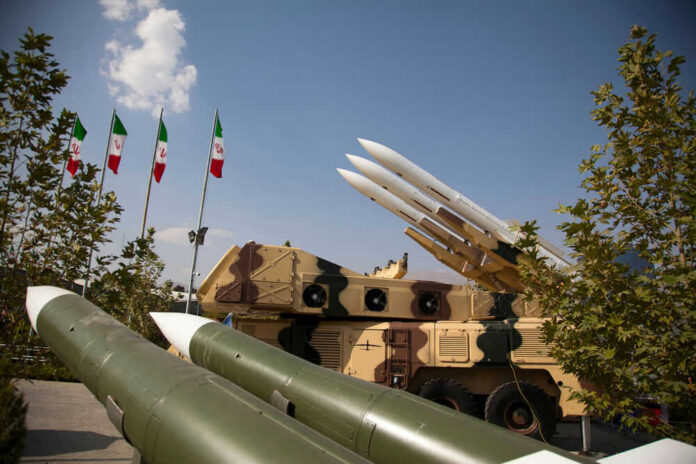
While Iran’s investment proposals might appear economically attractive, accepting them without comprehensive nuclear dismantlement would compromise American national security and abandon our Israeli allies. Foundation for Defense of Democracies expert Mark Dubowitz noted that Iran’s missile capabilities remain threatening despite previous Israeli strikes, with Chinese support helping reconstitute programs. Any deal must address not just uranium enrichment but also Iran’s ballistic missile development and proxy networks across the Middle East that destabilize the region. The regime’s Supreme Leader Khamenei has rejected fundamental US conditions, viewing negotiations as “barbed wire” rather than genuine compromise. Patriots understand that short-term economic gains from Iranian oil deals cannot justify enabling a nuclear-armed theocratic regime committed to destroying Israel and undermining American interests throughout the Middle East and beyond.
Critical Deadline Approaching
The February ultimatum timeline places negotiations on an urgent track ahead of President Trump’s State of the Union address scheduled for February 24, 2026. Iran claims talks have achieved a “good start” and describes discussions as “difficult but constructive,” suggesting some movement despite fundamental disagreements. The core dispute remains Iran’s insistence on retaining enrichment capabilities versus American demands for complete dismantlement and stockpile transfer. Markets have reacted to negotiation prospects with oil price volatility, anticipating potential supply impacts from either sanctions relief or military escalation. The uncertainty reflects broader concerns about whether Trump’s maximum pressure approach will force genuine Iranian capitulation or whether the regime will continue stalling tactics that characterized previous failed negotiations under weaker administrations unwilling to maintain sustained economic and military pressure.
Sources:
Politico – Iran Oil Sanctions Nuclear Talks
Wikipedia – 2025-2026 Iran-United States Negotiations
CBS News – Iran Dangles Investment Proposals
Iran International – Oil Minister Cooperation Statement
Investing.com – Oil Market Analysis
Copyright 2026, NationalFreedomPress.com