
(NationalFreedomPress.com) – Assassin of conservative icon Charlie Kirk fails to silence cameras, ensuring public eyes on justice for a patriot silenced too soon.
Story Snapshot
- Utah Judge Tony Graf denies defense motion to ban cameras from Tyler Robinson’s murder trial, prioritizing transparency.
- Preliminary hearing rescheduled to July 6-10, 2026, balancing fair trial rights with public access.
- Cameras restricted to courtroom rear to protect defendant while combating conspiracy theories around Kirk’s death.
- Victim’s widow Erika Kirk and prosecutors back media presence to counter misinformation.
Assassination Shocks Conservative Heartland
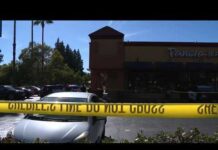
On September 10, 2025, Tyler Robinson, then 22, shot Charlie Kirk, 31, in the neck during a speech at Utah Valley University in Orem. Kirk, founder of Turning Point USA, died instantly, robbing America of a fierce defender of traditional values against woke agendas and globalism. Robinson surrendered the next day. This politically charged killing ignited national outrage and online conspiracies, thrusting the case into the spotlight.
Judge Rejects Camera Ban Motion
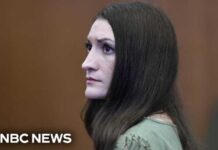
Utah State District Judge Tony Graf ruled on May 8, 2026, against the defense’s request to prohibit cameras, photographers, and microphones. Graf emphasized public access fosters accountability, despite defense fears of prejudicial commentary. Cameras stay at the courtroom rear, following prior violations like showing shackles in December 2025 and close-ups in January 2026. Operators must follow strict rules.
Balancing Rights in High-Stakes Trial
Defense attorneys argued livestreams allow lip-reading and demeanor speculation, tainting potential jurors in conservative Utah County. Witnesses testified media portrayed Robinson as a “monster,” risking an impartial trial under Sixth Amendment protections. Prosecutors and media coalition countered that transparency upholds First Amendment rights and counters false narratives. Graf opted for case-by-case reviews.
Erika Kirk, the widow, urged cameras to ensure speedy justice and dispel conspiracies. This aligns with Utah Rule 4-202, granting judges discretion on broadcasts. Precedents like Chandler v. Florida (1981) support cameras absent proven prejudice, reinforcing openness in non-capital cases.
Implications for Justice and Public Trust
The ruling delays the preliminary hearing to July 6-10, 2026, prolonging closure for Kirk’s family while complicating jury selection amid publicity. Conservatives see victory for accountability, vital as government elites often shield themselves from scrutiny. Yet both sides share frustration with deep state opacity—transparency here echoes demands to drain the swamp. Media gains access, but risks amplify divisions in an era of distrust.
Fox News hailed it a transparency win, while defense warns of dehumanization. This precedent may push nationwide courtroom streaming, prioritizing public oversight over hidden proceedings that breed suspicion of elite corruption.
Sources:
Judge to rule Friday whether Charlie Kirk murder case can be filmed, photographed
Man accused of killing Charlie Kirk pushes to ban cameras from court
Copyright 2026, NationalFreedomPress.com