
(NationalFreedomPress.com) – When Mike Huckabee declared that Europe’s recognition of Palestine had “just ended negotiations,” the diplomatic chessboard of the Middle East tilted, and every major player suddenly found themselves in new and uncertain territory.
Story Highlights
- Mike Huckabee condemned European countries for recognizing Palestinian statehood, claiming it undermines peace negotiations.
- Huckabee’s remarks reflect official U.S. policy and highlight a growing rift with European allies.
- The Oslo Accords’ framework for direct negotiation is being challenged by unilateral moves.
- Diplomatic tensions are rising, with long-term implications for the Middle East peace process.
Huckabee’s Jerusalem Speech Sends Shockwaves Through Diplomatic Circles
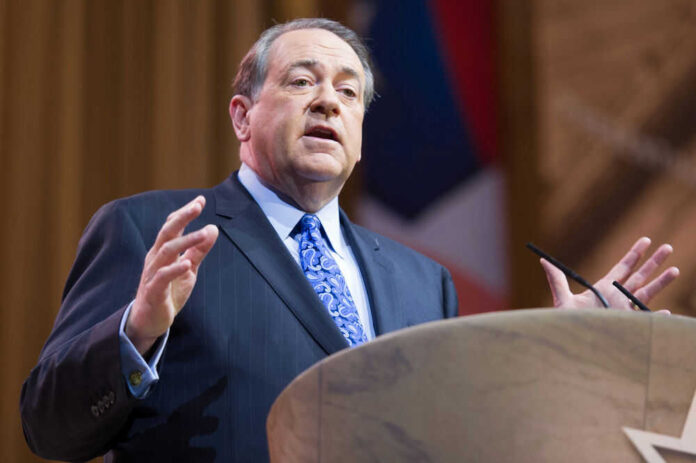
Mike Huckabee, U.S. Ambassador to Israel, did not mince words at the Jerusalem Post Diplomatic Conference. He directly rebuked several European governments for their recent decision to recognize Palestinian statehood. Huckabee claimed that this move “just ended negotiations”, a pointed accusation that sent ripples through diplomatic channels across continents. His assertion was not merely personal; it represented the official stance of the United States, a nation invested in preserving negotiated solutions in the Israeli-Palestinian conflict. By referencing the Oslo Accords and U.S. support for Jerusalem as Israel’s capital, Huckabee crystallized the U.S. position: unilateral recognition undercuts the peace process and disregards established agreements.
Huckabee’s remarks came in response to early September announcements from multiple European nations, which formally recognized Palestine as a sovereign state. The timing was critical, as international frustration over the lack of progress in peace talks had reached a new peak. For Huckabee, the message was clear: Europe’s actions were not only premature but potentially destructive, eroding trust and stability in a region long beset by conflict and failed negotiations.
European Recognition Sparks New Rift in the West
The decision by several European governments to recognize Palestine is not without precedent. Sweden did so in 2014, igniting similar debates over diplomatic protocol and the future of the peace process. This latest wave of recognition, however, comes at a moment of heightened tension, following years of stagnation in direct talks between Israel and the Palestinian Authority. European leaders have justified their actions as a necessary step to break the deadlock, but critics, including Huckabee, see it as a violation of the Oslo Accords, which emphasize that final status issues must be resolved through negotiation.
For American conservatives and many in the Israeli government, Europe’s move signals a troubling willingness to sidestep established frameworks in favor of symbolic gestures. The U.S. and Israel continue to advocate for direct negotiations, viewing unilateral recognition as counterproductive and potentially destabilizing. The Palestinian Authority, in contrast, has welcomed the recognition, seeing it as a boost to their international legitimacy and bargaining power.
Diplomatic Fallout and Shifting Alliances
Huckabee’s condemnation at the Jerusalem conference did more than state a position, it exposed a widening rift between the United States and its European allies. The diplomatic fallout has been immediate, with ongoing discussions between the U.S., Israel, and European governments failing to yield consensus. While European officials argue that recognition is a catalyst for peace, American and Israeli leaders warn of hardened positions and diminished prospects for future negotiations.
This fracture has broad implications. In the short term, diplomatic friction may impact aid, trade, and security cooperation between the U.S., EU, and Israel. In the long term, the erosion of the Oslo framework could further polarize international actors, making direct negotiations more elusive. The affected parties are not limited to policymakers; Israeli and Palestinian communities, regional neighbors, and international mediators all face increased uncertainty.
Expert Perspectives: Negotiation, Recognition, and Realpolitik
Opinions from industry experts and analysts underscore the complexity of the situation. Huckabee and U.S. officials maintain that unilateral recognition undermines negotiations and violates established accords. Academic voices note that such moves can either pressure parties toward renewed talks or entrench existing divisions, depending on subsequent diplomatic engagement. European perspectives, while less detailed in available reports, frame recognition as a moral and practical step toward justice and peace. What remains clear is that the Israeli-Palestinian conflict, and the international response to it, is at another crossroads: one where the balance between negotiation and recognition will shape the region’s future.
The story is far from over. As diplomatic tempers flare and alliances shift, the world watches closely, wondering whether this latest episode will mark a new chapter in the quest for peace, or merely another round in a decades-long stalemate.
Copyright 2025, nationalfreedompress.com