
Protesters and supporters filled central Washington as President Trump hosted China’s Xi Jinping, turning a high-security state visit into a street test of free speech and power.
Story Snapshot
- Police tightened security downtown as demonstrations and welcome rallies formed along Xi’s route.
- A protester climbed a light pole on Pennsylvania Avenue and hung an anti-Xi banner.
- Trump greeted Xi at Joint Base Andrews to start a three-day summit.
- Rights groups and diaspora networks organized events highlighting Tibet, Uyghurs, Hong Kong, and dissidents.
Protests And Police Controls Mark Xi’s Arrival
Washington police and federal teams set up tight controls near the White House and downtown routes as China’s leader Xi Jinping arrived for meetings with President Trump. Officials warned commuters about closures and likely protests as groups announced rallies and banner actions. Reporters on the scene noted both welcome events and demonstrations planned by different networks. The mix is common during visits by powerful leaders and often centers on human rights issues and calls for political reform.
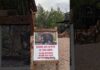
On Tuesday morning, a protester climbed a light pole on Pennsylvania Avenue Northwest and hung a large anti-Xi banner. The sign read, “Dictator Xi your empire will fall. Free Tibet.” Emergency crews closed the road in both directions while responders handled the scene, a few blocks west of the Capitol. The action previewed a week of visible dissent during a rare state visit, where images often travel faster than policy details.
Diplomatic Optics And A Rare Tarmac Greeting
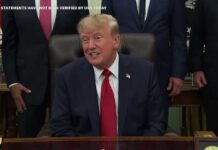
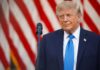
President Trump greeted Xi on the tarmac at Joint Base Andrews, an uncommon step that signaled an effort to set a confident tone. The visit spans three days and includes a White House state dinner, reflecting high stakes in the world’s most important bilateral relationship. While leaders seek stability, street demonstrations offer a competing frame: many Americans want toughness on rights and security, not just photo-ops and trade language.
Media advisories urged Washington residents to expect route changes and flash disruptions around the security perimeter, including near hotels and federal buildings. Local reporting flagged a man who tried to climb a downtown lamppost even before Xi’s arrival, underscoring officials’ concern about surprise stunts and crowd surges. These moments draw attention to grievances but also test how authorities balance safety with the right to assemble.
Why The Streets Matter In A Summit Week
Human rights and diaspora groups timed their events to the visit, pressing issues that often sit below trade and military talks. Advocates highlighted Tibet, Uyghur detention, Hong Kong crackdowns, Falun Gong persecution, and the treatment of Chinese dissidents. Organizers know cameras point to Washington when foreign leaders arrive. That spotlight can force policy mentions, meetings with families, or at least public statements that would not happen on a normal day.
Crowds also included pro-Beijing groups waving flags near Xi’s hotel, creating face-to-face contrasts that raise tensions but also show the breadth of views inside the Chinese diaspora. Security planners planned for both sides. For many Americans, the scene feeds a broader frustration: grand ceremonies for the powerful while families struggle with high costs and a fraying social compact. Street action, whether welcome or not, is one of the few levers regular people still feel they can pull.
Sources:
youtube.com, chinatimes.com, wionews.com, foxnews.com, x.com, nbcwashington.com, bbc.com
© nationalfreedompress.com 2026. All rights reserved.