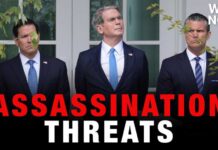

Reports say former Obama-era advisers urged foreign governments to quietly build cases against Defense Secretary Pete Hegseth, deepening a fight over secrecy, power, and accountability in Washington.
Story Snapshot
- A House impeachment push accused Hegseth of “extrajudicial killings,” citing at least 243 deaths tied to drug-boat strikes.
- One September 2025 incident allegedly included a second strike on survivors about 45 minutes after the first.
- Critics say the administration has not shown public proof the boats carried drugs, fueling legal doubts.
- Separate reports claim ex-Obama officials floated a plan to gather foreign evidence for later cases, but the paper trail is thin.
What sparked the clash: drug-boat strikes and an impeachment push
Representative Thomas Massie filed articles of impeachment alleging that Defense Secretary Pete Hegseth oversaw strikes that killed at least 243 people on suspected drug boats. One article labeled the operations “extrajudicial killings,” arguing they lacked proper legal basis and oversight. The resolution spotlighted a September 2, 2025 episode, where a first strike disabled a vessel and a later strike allegedly hit survivors in the water. The filing framed these incidents as unlawful killings that merit accountability and further inquiry.
The House, controlled by Republicans, sent the resolution to the Judiciary Committee in a 211–204 vote, a move that effectively halted a floor decision for now. That choice keeps the facts in limbo and heightens concern among both right-leaning and left-leaning voters who already think Congress protects insiders. Families of two men killed in a separate October strike have also sued in federal court, pressing claims under international and U.S. law, which suggests judges may weigh parts of this record regardless of congressional delays.
The key dispute: law-of-war claims versus proof and process gaps
The administration has called the boat campaign lawful and described it as a military effort against cartel-linked targets. Supporters point to claimed authorities and a reported legal opinion that cleared frontline personnel. But several reports say the government has not released public evidence showing the boats carried drugs, leaving a gap that invites basic questions about target identity and necessity. The strongest contested detail is the alleged second strike on survivors, a point that critics say demands full operational records to resolve.
Investigators and courts will likely seek clear items: targeting packets, rules of engagement, command logs, and any judge advocate opinions. Precision matters here because the legal label determines the rules. If these were law-of-war actions, officials must show necessity, distinction, and proportionality. If these were law-enforcement actions, they must show proper authority and evidence linking the boats to crime. Classification limits have kept much of this material out of view, which feeds public distrust on all sides.
The foreign-evidence wrinkle: serious if true, thin if unproven
Separate reports claim former Obama-affiliated officials discussed asking foreign governments to quietly gather evidence on the strikes, then hold it until President Trump leaves office. Those accounts describe a plan aimed at future indictments or pressure, but they rely on social media posts and advocacy content rather than a named memo, full emails, or official filings. The core quote—“quietly gather evidence”—appears without confirmed authorship or documents in public view.
That gap matters. If confirmed, such outreach could look to many Americans like elite actors skirting voters and using foreign systems to box in a sitting administration. If not confirmed, it risks being another viral claim that deepens cynicism while dodging the core question: were the strikes lawful? The Justice Department has reportedly reviewed related allegations, which shows the government treats the matter seriously, but the public has not seen an official, detailed account of what was said and by whom.
Why this resonates: power without sunlight fuels a shared distrust
Conservatives and liberals share a worry here: powerful people act behind closed doors, then ask the public to “trust us.” On one side, secret legal opinions and withheld targeting data block scrutiny of deadly force. On the other, reports of quiet foreign end-runs suggest politics by other means. Both strands make it harder for citizens to judge the facts. That is why narrow, document-based steps—records, testimony, declassifications where safe—are the path to clarity and trust.
What to watch next
Watch the courts for discovery orders that could surface logs, videos, and legal reviews. Track whether Congress compels limited declassifications on the September 2 incident, including who approved the follow-up strike and why. Look for named, verifiable documents behind the foreign-evidence claims. Each step can cut through speculation. Without that sunlight, the story stays stuck in a familiar loop: sweeping claims, hard questions, and a government that many feel still answers to itself first.
Sources:
pjmedia.com, x.com, theatlantic.com, ko.ifann.net, flyingpenguin.com, yahoo.com
© nationalfreedompress.com 2026. All rights reserved.