
President Trump told a rally that Iran could “take out” Los Angeles or San Diego and called that loss a “small price to pay,” setting off a firestorm over how leaders talk about risk in war.
Story Highlights
- Trump said Iran could “take out” Los Angeles or San Diego and called it a “small price to pay.”
- California leaders condemned the remarks as dangerous and reckless.
- The White House said Trump’s point was a warning about a nuclear Iran, not permission.
- The clash reflects a long pattern of leaders using sacrifice language in wartime.
What Trump Said And Why It Sparked Outrage
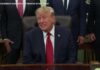
At a rally in Grand Island, Nebraska, President Trump spoke about the war’s costs and Iran’s threat. He said prices tied to the conflict were “a small price to pay” for safety, then added that Iran could “take out a city” and said, “Let them take out Los Angeles. Let them take out San Diego.” The lines drew immediate backlash because they sounded like tolerance of an attack on Americans, not a deterrent warning. News outlets posted the quotes widely the next day.
California officials blasted the remarks within hours. Governor Gavin Newsom called the president “deranged and dangerous.” Los Angeles Mayor Karen Bass said the statement could compromise the city’s safety. San Diego Mayor Todd Gloria said his city is “not collateral damage” and never a “small price to pay.” Their argument was simple: presidents must protect Americans, not frame the loss of cities as acceptable in any scenario, even to make a point about resolve.
How The White House Explained The Message
The Trump Rapid Response Team pushed back on the critics. They said the president meant to warn about what Iran could do if it gained a nuclear weapon. The team stressed that Trump was not inviting an attack but highlighting the stakes to justify tough action. That framing tries to shift the line from callousness to deterrence, arguing that blunt talk can help prevent a strike by showing resolve and the high costs for any enemy who tries.
The political fight turns on tone and trust. Supporters see blunt language as clear-eyed and aimed at stopping Iran. Critics hear it as reckless talk that normalizes civilian loss and signals that some Americans are expendable. Both sides are reacting to the same words but weighing different risks: the risk of sounding soft to Tehran versus the risk of telling U.S. families their lives might be an acceptable trade in a larger strategy. That is why the quotes landed so hard.
Why Wartime “Small Price” Rhetoric Keeps Coming Back
Historians and communication experts note that leaders often use sacrifice language in war to frame pain—at the pump, in taxes, or in lives—as the cost of safety. This can rally support, but it can also make debate feel off-limits and blur real policy choices. When the costs involve civilians at home, the effect is even sharper. The same words that claim moral resolve can sound like indifference to people who bear the brunt of those costs.
🚨 TRUMP’S CALIFORNIA REMARKS IGNITE BACKLASH AMID IRAN WAR DEBATE
GRAND ISLAND, UNITED STATES – Trump shifted the discussion from fuel prices and war costs to hypothetical physical destruction on U.S. soil, and that changed the political risk of the conversation instantly.… pic.twitter.com/R7UcoIl0mZ
— The Content Factory (@tcf_updates) October 6, 2026
Nuclear deterrence also relies on signaling resolve and unacceptable costs to any attacker. Yet experts warn that loose or theatrical nuclear talk can raise fear without adding real security. It can push rivals to harden their stance, and it can rattle the public that leaders are sworn to protect. Clear strategy asks for strong defenses and calm words. Jarring lines about “taking out” U.S. cities move in the opposite direction and fuel a sense that leaders play politics with citizens’ lives.
Sources:
youtube.com, reuters.com, english.nv.ua, moneycontrol.com, doria.fi, journals.rcsi.science
© nationalfreedompress.com 2026. All rights reserved.